What Is the Google Sandbox in SEO? Does It Really Exist? (2026)
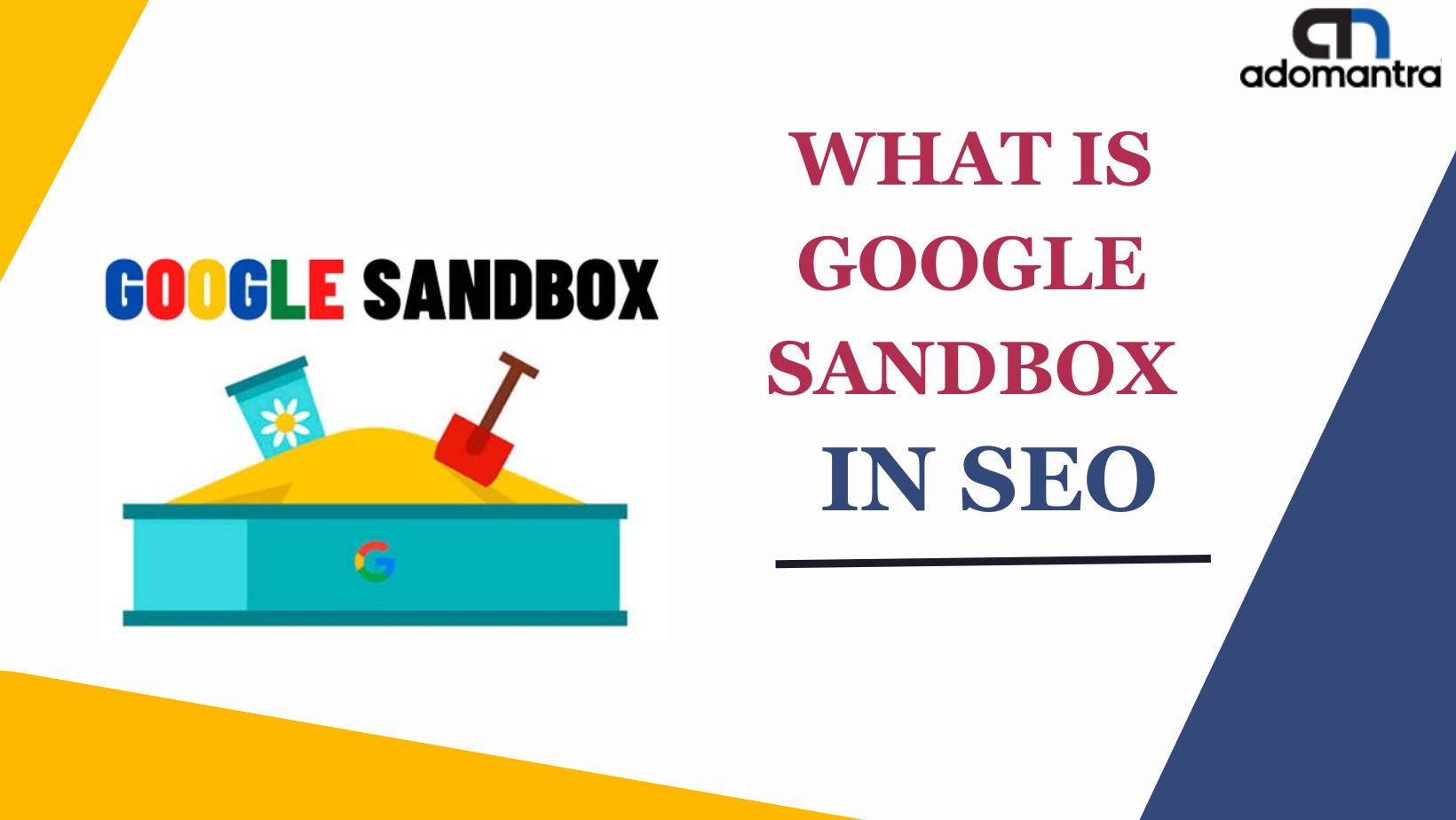
The Google Sandbox is a widely observed SEO phenomenon in which new websites experience suppressed rankings for 3–9 months after launch — even when their content is well-optimised, their technical SEO is sound, and they have begun building backlinks.
Google has never officially confirmed the existence of a sandbox mechanism. However, Google's John Mueller acknowledged in a 2018 Webmaster Central office hours session that new sites take time to earn the trust, authority, and engagement signals needed to rank competitively. The SEO community refers to this experience — delayed rankings for new domains — as the "Google Sandbox effect."
Understanding the sandbox is the first step to shortening it. Whether you're launching a new website or advising a client, this guide covers what it is, whether it's real, how long it lasts, and — most importantly — what you can do to get out of it faster.
The History of the Google Sandbox (2004–2026)
The concept of the Google Sandbox first emerged around 2004, when webmasters and SEO professionals noticed a consistent pattern: newly registered domains were struggling to rank on Google for the first several months, even for low-competition keywords — while performing normally on Bing and Yahoo.
This discrepancy suggested something specific to Google's algorithm was suppressing new sites. The term "sandbox" was adopted by the SEO community to describe what felt like a holding area — a probationary period that new sites had to pass through before earning proper visibility.
Over the subsequent two decades, the sandbox debate has continued without resolution. Google has consistently declined to confirm or deny its existence, while countless SEO professionals have documented sandbox-like experiences across thousands of new domain launches. The debate remains active in 2026, though the practical reality — new sites rank slowly — is universally acknowledged.
Is the Google Sandbox Real? What Google Actually Says
This is one of SEO's most debated questions. The honest answer: the sandbox as a specific algorithmic mechanism is unconfirmed — but the experience it describes is entirely real.
John Mueller's Official Statement on the Sandbox
In the 2018 Google Webmaster Central office hours, John Mueller addressed the sandbox question directly. He stated that while Google technically does not have a dedicated sandbox filter, new sites are still held back in rankings by other algorithmic factors. Specifically, Mueller described it as a kind of "lag" between a site establishing itself and Google's algorithms learning to trust and rank it appropriately.
Gary Illyes, another Google Search Advocate, has echoed a similar position — Google's algorithms need time to evaluate a new site's credibility, backlink quality, and content relevance before awarding competitive rankings.
The Myth vs the Reality
The distinction matters, because it changes how you respond:
- The myth: Google has a specific algorithm that detects new websites and deliberately prevents them from ranking for a fixed probationary period, regardless of content quality.
- The reality: New websites rank slowly because they start with zero domain authority, zero engagement history, zero backlinks, and limited content. Google's systems simply do not yet have enough evidence to trust the site. The "sandbox period" is a byproduct of this — not a deliberate punishment.
As DASH-SEO correctly summarises: "If you believe in a sandbox, you wait. If you understand the real mechanics, you take action."
The practical implication: the sandbox period can be shortened through deliberate SEO activity. It is not a fixed waiting room — it is an evidence gap that you can actively close.
Why Is Your New Website Not Ranking on Google?
If your newly launched website is getting little to no organic traffic, one or more of the following is almost certainly the cause. Understanding these types of SEO signals that Google evaluates helps you address them systematically.
Domain Age and Trust Signals
Google uses a site's history of engagement, backlinks, and content consistency as a proxy for trustworthiness. A brand new domain has none of these. There is no history for Google's algorithms to evaluate — so they take a conservative position and rank the site cautiously until evidence accumulates.
This is not discrimination against new sites. It is Google's spam prevention system working as intended: requiring new sites to demonstrate legitimacy before awarding high-visibility rankings.
Thin Backlink Profile
Backlinks are one of Google's strongest ranking signals. A new site with no backlinks has no third-party endorsements that Google can use to evaluate authority. Even if your content is excellent, the absence of backlinks means Google has little external evidence to confirm that others find your site valuable.
The quality of early backlinks matters significantly. A single link from a credible, relevant industry website is worth more than 50 links from low-authority directories.
Content Quality and Topical Authority
Google's algorithms assess not just whether you have content, but whether your site has sufficient topical coverage to be considered an authority on its subject. A new site with 5 blog posts about digital marketing cannot compete with established sites that have covered the subject comprehensively over years.
Publishing consistently and building topical depth — covering a subject from multiple angles — is one of the most effective ways to accelerate out of the sandbox period.
High Competition in Your Niche
In highly competitive niches (finance, health, legal, digital marketing), even established sites struggle for top rankings. For new sites in these spaces, the sandbox period can be longer — not because of a filter, but because the gap between your current authority and your competitors' is larger.
Targeting long-tail, lower-competition keywords initially reduces this gap and allows your site to begin accumulating ranking history before targeting more competitive terms.
How Long Does the Google Sandbox Last?
Based on the collective observations of SEO professionals monitoring new domain performance across thousands of websites, the Google Sandbox period is typically estimated at 3–9 months for competitive keyword targets.
However, this range is not fixed. Several factors influence the duration:
- Niche competitiveness: Highly competitive niches (YMYL topics like finance and health) typically see longer sandbox periods — often closer to 9–12 months.
- Content publication rate: Sites that publish high-quality content consistently from day one tend to see ranking improvements faster.
- Backlink acquisition speed: Sites that earn relevant, high-authority backlinks in the first 90 days exit the sandbox period significantly faster than those that do not.
- Technical SEO quality: A site with indexation errors, slow load times, or poor mobile performance gives Google additional reasons to delay ranking it confidently.
- Brand signals: Consistent brand mentions, social media presence, and direct traffic signals help Google recognise a new site as legitimate more quickly.
With active, well-planned SEO activity, many sites reduce the sandbox period from the typical 6–9 months to 3–4 months.
Which Websites Are Affected by the Sandbox Effect?
Two categories of websites most commonly experience sandbox-like ranking delays:
- Freshly registered new domains. Any brand new domain — regardless of content quality — starts with zero trust signals. The sandbox effect is strongest for competitive niches and weakens for very niche, low-competition long-tail keywords, where new sites can rank relatively quickly.
- Revived or dormant domains. Some SEO professionals report that older domains that were inactive for long periods — with no backlinks, no traffic, and no content — behave similarly to new domains when relaunched. Years of inactivity can reset the trust signals Google previously assigned to the domain.
What is NOT a sandbox situation:
- Established domains that drop in rankings due to an algorithm update (this is a ranking change, not a sandbox)
- Newly published pages on an established domain (new pages on authoritative sites can rank within days or weeks)
- Sites penalised by Google for guideline violations (this is a manual or algorithmic penalty — a fundamentally different issue)
How to Get Out of the Google Sandbox Faster
While you cannot skip the sandbox period entirely, you can actively shorten it by closing the evidence gap that holds new sites back. Here are the six highest-impact strategies:
1. Publish High-Quality Content Consistently
Content is the primary mechanism through which Google evaluates your site's topical authority. Publishing one or two posts and waiting will not accelerate your exit from the sandbox.
Set a consistent publishing schedule — at minimum two high-quality, in-depth posts per week in the early months. Focus on building topical clusters: one comprehensive pillar page per core topic, supported by cluster articles covering specific subtopics in depth. This structure signals deep expertise to Google faster than random individual posts.
2. Build Natural Backlinks Early
Backlinks are the fastest trust signal you can earn. Begin outreach for backlinks from day one — do not wait until your content catalogue is large. Prioritise:
- Guest posts on relevant, authoritative sites in your niche
- Original research or data that others want to cite and link to
- Digital PR — press coverage on local or industry news sites
- Supplier, partner, and industry association directory listings
Even 5–10 high-quality backlinks from credible sources in the first 90 days can meaningfully shorten the sandbox period.
3. Target Long-Tail Keywords First
Broad, competitive keywords are almost impossible for a new site to rank for during the sandbox period. Instead, target long-tail keywords — longer, more specific queries with lower competition and higher intent.
For example, rather than targeting "digital marketing agency," target "digital marketing agency for e-commerce brands in Delhi." These terms are more achievable early on, and the ranking history they generate helps Google build confidence in your site, which accelerates ranking for broader terms later.
4. Fix Technical SEO Foundations
A technically sound website gives Google fewer reasons to hesitate. Check and fix:
- Site speed — aim for a Largest Contentful Paint (LCP) under 2.5 seconds
- Mobile responsiveness — Google uses mobile-first indexing; a broken mobile experience suppresses rankings
- XML sitemap submission — submit your sitemap in Google Search Console immediately after launch
- HTTPS — a confirmed ranking signal; all pages must be served securely
- No crawl errors — check Google Search Console for 404s, redirect chains, and indexation issues regularly
- URL structure — clean, descriptive URLs from day one prevent technical debt later
Our website and app development team can audit and fix all technical SEO issues on your new site.
5. Drive Engagement Signals
Google's algorithms factor in how users interact with your site. High bounce rates, short dwell times, and low pages-per-session signal that users did not find what they were looking for — which reduces ranking confidence.
Improve engagement by:
- Structuring content with clear subheadings, short paragraphs, and bullet points for scannability
- Embedding relevant videos to increase time on page
- Using strong, clear internal linking to guide readers to related content
- Ensuring your site loads fast enough that users do not abandon before the page renders
Learn more about how user experience impacts SEO rankings in our dedicated guide.
6. Use Local SEO if Applicable
If your business serves a specific geographic area, local SEO can generate ranking traction significantly faster than broad organic SEO during the sandbox period. A well-optimised Google Business Profile, accurate NAP listings, and locally-targeted content can drive visibility in Google Maps and local SERP features within weeks of launch — even while your organic rankings are still building.
Does the Google Sandbox Affect All Keywords Equally?
No. The sandbox effect is strongest for competitive, high-volume keywords — particularly in YMYL (Your Money or Your Life) niches like finance, health, and legal, where Google applies stricter quality scrutiny.
For very specific, low-competition long-tail keywords, new sites can achieve rankings within days or weeks of publishing, even during the broader sandbox period. This is why long-tail targeting is the correct initial strategy for new sites — it builds ranking history without requiring the domain authority needed for competitive terms.
What Is the Difference Between the Google Sandbox and a Google Penalty?
These are frequently confused but fundamentally different:
| Google Sandbox Effect | Google Penalty | |
|---|---|---|
| Cause | Lack of trust signals (normal for new sites) | Violation of Google's guidelines |
| Affected sites | New / dormant domains | Any site — new or established |
| Duration | 3–9 months typically | Until penalty is resolved and reconsideration approved |
| Google confirmation | Not officially confirmed | Visible in Google Search Console as manual action |
| How to fix | Build authority, content, and links | Remove violating content/links + reconsideration request |
If your established site suddenly drops in rankings, it is more likely an algorithm update or a penalty than a sandbox effect. Use Google Search Console to check for manual actions.
Frequently Asked Questions About the Google Sandbox
What is the Google Sandbox in SEO?
The Google Sandbox is a widely observed SEO phenomenon where new websites experience suppressed rankings for 3–9 months after launch. While Google has never officially confirmed a sandbox mechanism, the experience of new sites ranking slowly is universally acknowledged — Google's John Mueller has described it as a lag while Google evaluates a new site's credibility and authority.
Is the Google Sandbox real or a myth?
The sandbox as a specific algorithmic filter is unconfirmed by Google. However, the experience it describes — new sites ranking slowly despite good content and optimisation — is entirely real. Google's John Mueller has acknowledged that new sites take time to earn the trust signals needed to rank. Most SEO professionals consider the sandbox effect real in practice, even if the precise mechanism is unknown.
How long does the Google Sandbox last?
The Google Sandbox period is typically estimated at 3–9 months for competitive niches. With active SEO — consistent content publication, early link building, and strong technical foundations — many sites reduce this to 3–4 months. Very competitive niches (finance, health, legal) may see sandbox periods of 9–12 months.
Does the Google Sandbox affect all keywords?
No. The sandbox effect is strongest for competitive, high-volume keywords. For specific, low-competition long-tail keywords, new sites can achieve rankings within days or weeks even during the sandbox period. This is why targeting long-tail keywords is the recommended strategy for new sites.
What is the difference between the Google Sandbox and a Google penalty?
The sandbox effect is a normal condition for new sites with insufficient trust signals — not a punishment. A Google penalty is applied to sites that violate Google's guidelines (keyword stuffing, unnatural links, etc.) and is visible as a manual action in Google Search Console. They require completely different responses.
How do I know if my website is in the Google Sandbox?
Signs your site may be in the sandbox: your site is indexed (visible in Google Search Console) but ranks poorly for all keywords; you get impressions in Search Console but near-zero clicks; competitor pages outrank you despite having older, less comprehensive content. Use Google Search Console to monitor impressions vs position over time.
How can I get my new website out of the Google Sandbox faster?
The most effective strategies are: publishing high-quality, topically authoritative content consistently; earning relevant backlinks from credible sites in the first 90 days; fixing all technical SEO issues (speed, mobile-friendliness, crawlability); targeting long-tail keywords initially; and driving engagement signals through strong UX and internal linking.
Is Your New Website Stuck in the Google Sandbox?
If your newly launched site is getting impressions in Google Search Console but no clicks — or ranking on pages 3–10 for target keywords despite good content — you are almost certainly experiencing the sandbox effect.
The good news: it is not permanent, and it is not passive. The actions you take in the first 3–6 months directly determine how long the sandbox period lasts.
At Adomantra, our SEO specialists help new websites build the trust signals, backlink profiles, and technical foundations needed to escape the sandbox faster. Since 2012, we have helped brands across India establish organic visibility from the ground up.
Find out exactly what's holding your new website back — and what it would take to fix it.